


This essay was originally published in Disability Debrief as ”A new wave of disability media”, and edited by Peter Torres Fremlin. I’ve updated it slightly below.
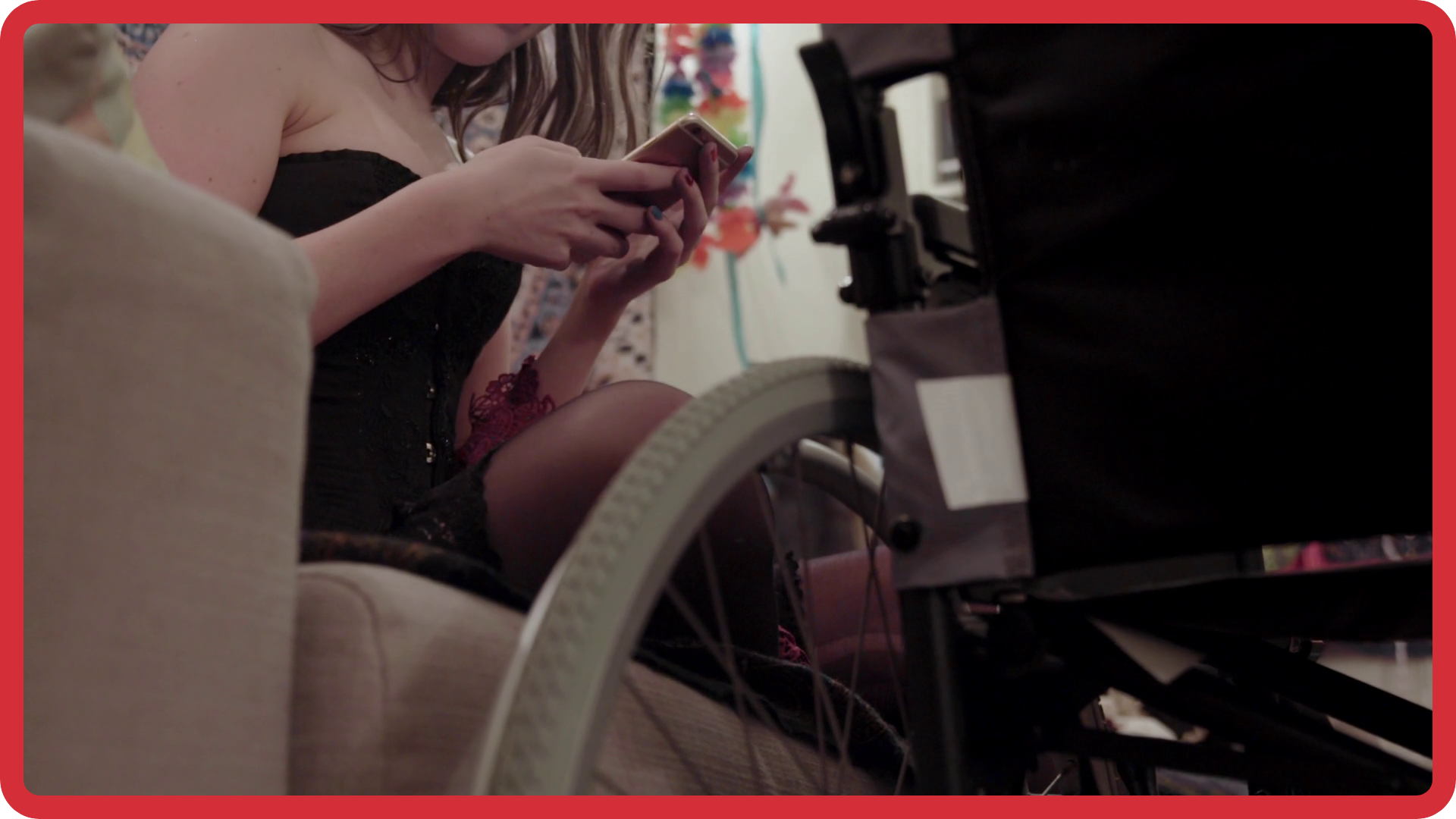
Dear every body, ten years ago, my own experience of chronic illness inspired me to make ill, actually, a short documentary film about young disabled people and online identity. Since then, I’ve somehow made my career in disability media in the UK. I’m a writer and filmmaker, and I work with clients as a copywriter, editor, speaker and trainer. My films have been programmed on the BBC, and my writing has been published in VICE.
Yet I often feel lost within this work. With my disabled artist friends, we talk about access barriers, burn-out and the pressures of having our work politicised. But there is not yet much of a wider conversation about the expectations placed on disabled artists to live up to the demands of activism.
Today we’re talking about the politicisation of disabled artists’ work.
Are we allowed to tell the stories we want? What’s the relationship between art and activism? And can art actually end ableism?
These are some of the questions I explore in this essay…

In this edition of Body Babble, we’ll cover:
The inaccessibility of the film industry
How meeting a group of disabled filmmakers changed my life
Art and empathy
Pressure from activists and a lack of support from institutions
A “disabled gaze”
The role of art vs. activism
“You do it because you love it”
In my early twenties, I dreamed of being a filmmaker. After graduating from university, I did my best to get work experience, but internships and first jobs were invariably inaccessible to me. Job descriptions referred to long days and early starts, driving long distances and lifting heavy boxes.
Once, at an information session about short film funding, hosted by an acting school, I arrived late to find fifty people gathered in a circle. They were –inexplicably– doing star jumps. Seeing me bewildered, they told me to join in, explaining they were ‘warming up’. Back then, I had neither the language to explain my illness nor the courage to stand out as different. So I did as I was told, performing my star jumps and saving my tears for the journey home. I spent the week in bed recovering.
On another afternoon, between bouts of vertigo, I made it to the British Film Institute (BFI) for a talk by a well-known British director. His advice to the young audience was to expect long hours, exhaustion and to slowly work your way up. ‘This is what it’s like,’ he laughed, ‘You do it because you love it.’
After the talk, the audience swarmed the director. But I slipped instead to the back of the room and found the event’s moderator. I told him I had a chronic illness, that I could never be a runner. Did he know any ‘people like me’? He was taken aback, but kind. Later he followed up to put me in touch with the BFI’s Disability Screen Advisory Group: a group of disabled filmmakers who met up to discuss disability inclusion in the film industry.
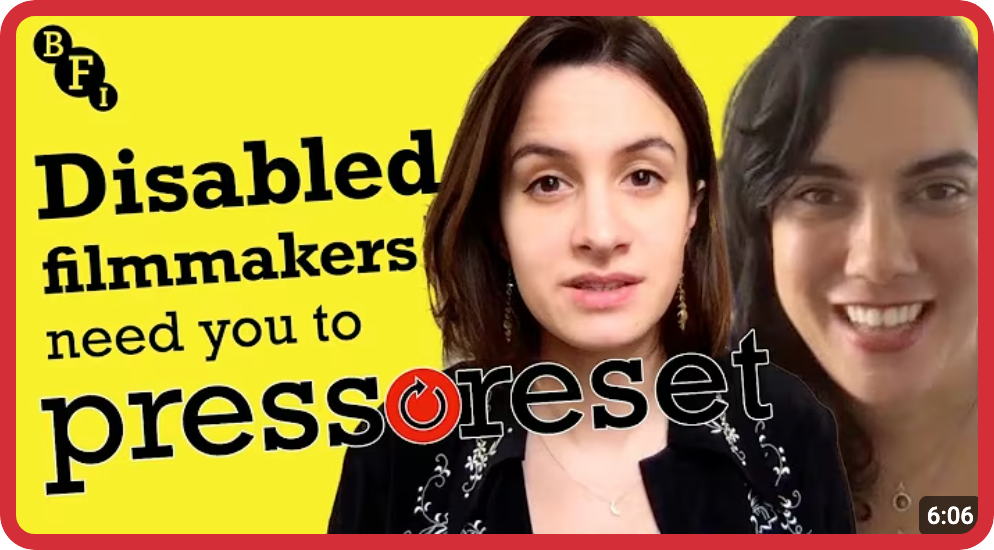
Meeting these people changed my life. They introduced me to the social model of disability. They taught me that access was a right. They showed me the power of collective identity. I was plunged into rooms with more wheelchair-users than I’d ever seen in one place, into conversations about disability representation in film. In 2020 and 2021, the group expanded to include more filmmakers. Some of us had non-visible disabilities, some were autistic, some were people of colour or LGBTQ+. Together we worked on Press Reset, a campaign calling for better representation within the film & TV industry.
A disabled new wave?
In the last year, with the rise of the far-right and backlash to “woke” diversity, equity, and inclusion initiatives, there has arguably been less spotlighting of stories by underrepresented voices. And yet, for much of the last decade, it felt like what me and my filmmaker friends were seeing in London was part of a growing, global trend of disability media – a disabled new wave.
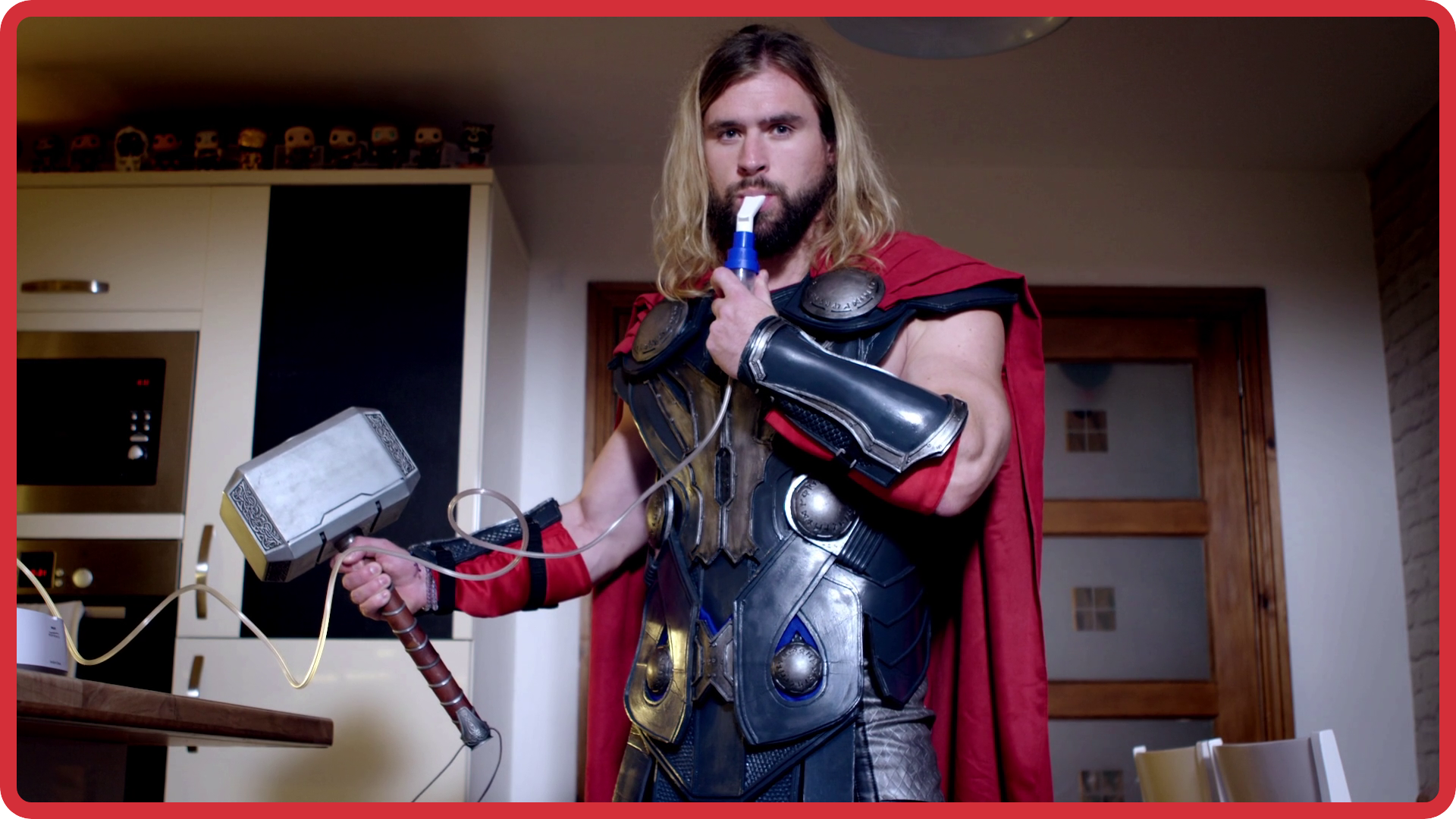
Disability stories were being funded, as well as recognised in awards seasons. On Netflix, recent disabled-led titles ranged from American disability rights documentary Crip Camp to Zambian drama about life with albinism, Can You See Us?. Disabled characters were gaining their own complex storylines in some of the platform’s biggest shows.
For a few years, it really felt like the focus of the disability movement was shifting. As accessibility was becoming more enshrined in our laws globally, was our focus moving from legislation to representation? Were our leading activists now more likely to be holding a camera to the world than holding a placard at a protest?
I think we even saw some of this transition in the life of Judy Heumann. Her leadership in disability rights came out of fighting a legal case, and she played key roles in US disability legislation as well as the UN convention. But in her later life, she embraced the power of storytelling, pouring her energies into social media, a documentary, a memoir and a podcast.
Art for empathy
In his 2021 MacTaggart lecture, British screenwriter Jack Thorne spoke urgently to the camera. With teary eyes, he called for better disabled representation in TV and film. We were in the middle of a pandemic in which the UK government reduced disabled people to their ‘underlying health conditions.’
Thorne argued that authentic onscreen representation could help reverse this harmful narrative: TV was an ‘empathy box, in a corner of the room.’ He sees it as a vital part of his work to make art to ‘further the disabled cause’.
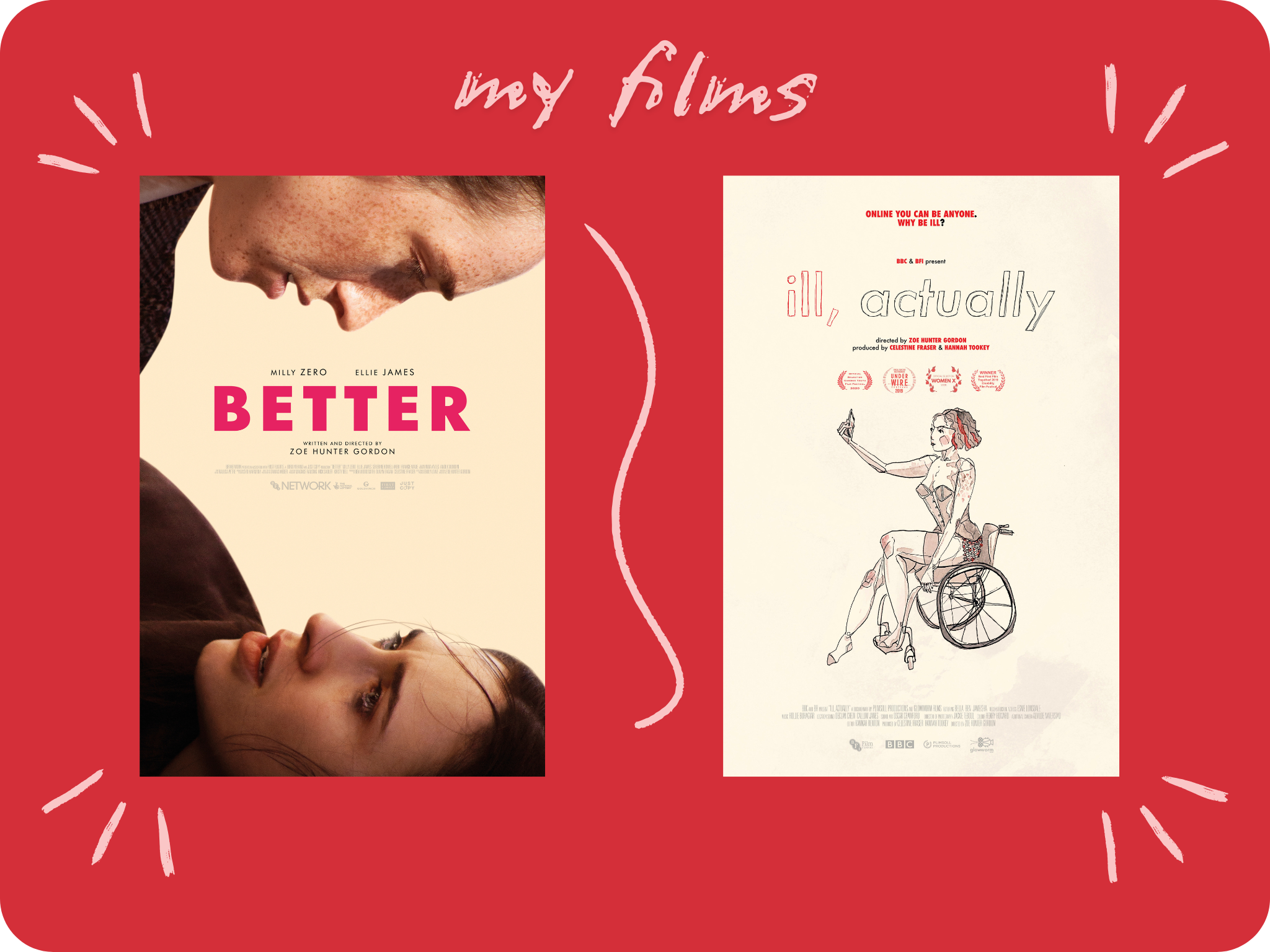
Of course I agree that art can create empathy. The idea for my first film ill, actually came out of a need for my friends to understand me. I was 19, ill and stuck in bed, and they were at university, partying. By making a documentary about young people with chronic illnesses, I hoped I could show them what I was going through.
But making that film showed me that art would never be just about my personal catharsis. We were amazed that our call-outs for contributors were bombarded with interest. We were amateur filmmakers, and yet our every decision was evaluated like we were proposing a crucial new piece of policy.
‘Why are you focusing on disabled people under 30, when older people are more likely to be disabled?, they commented. ‘Why are you making a doc about people with invisible impairments, when hate crimes are rising for people with visible ones?’
Ending ableism
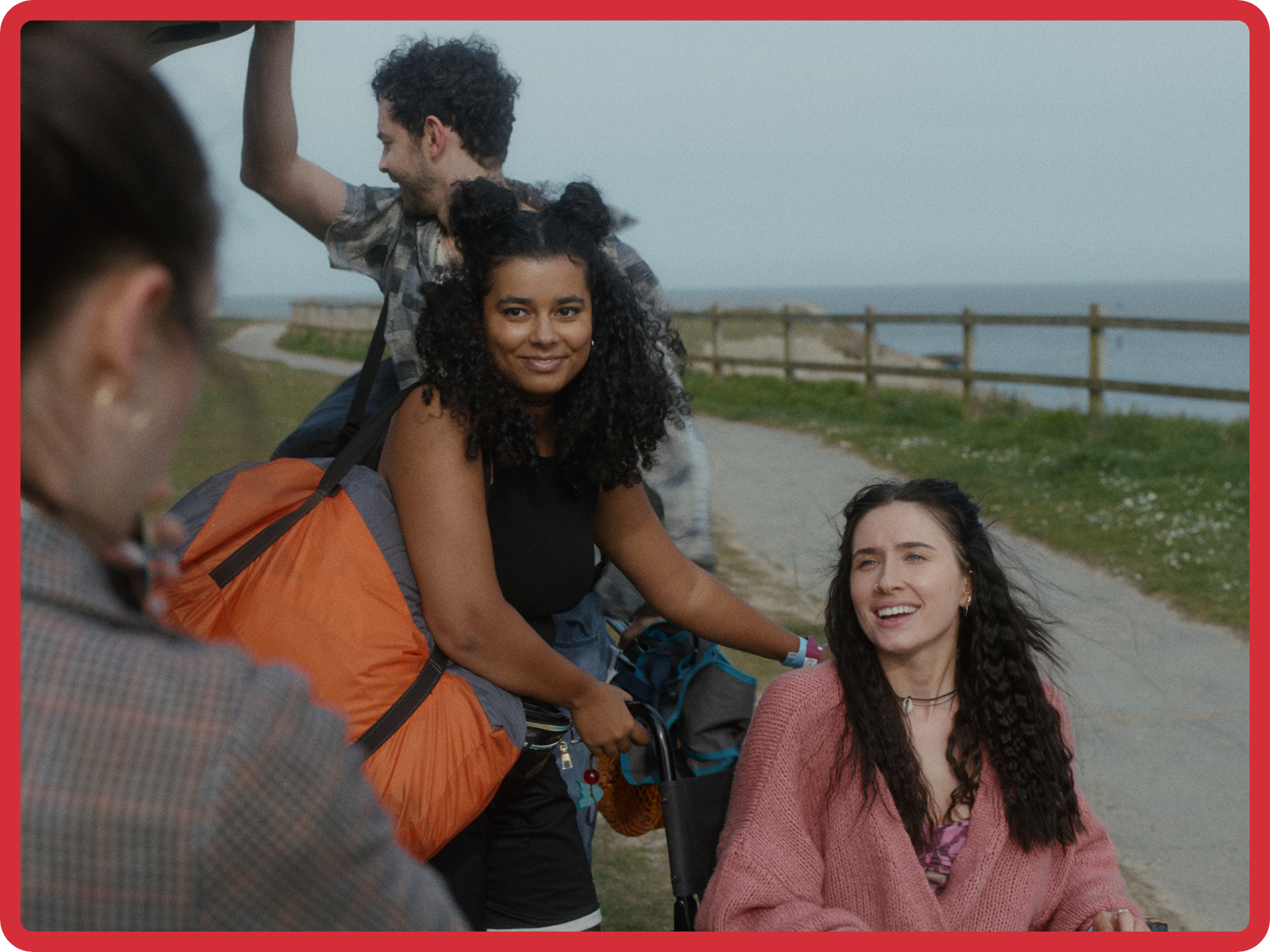
The questions increased when I started production on Better, a short fiction film with a bigger budget and funding from the BFI. With so few authentic, complex disabled stories out there, we felt pressure on our short film to do it all. As if we could undo decades of misrepresentation in fifteen minutes. As if we could end ableism, if only we put the words in the right order.
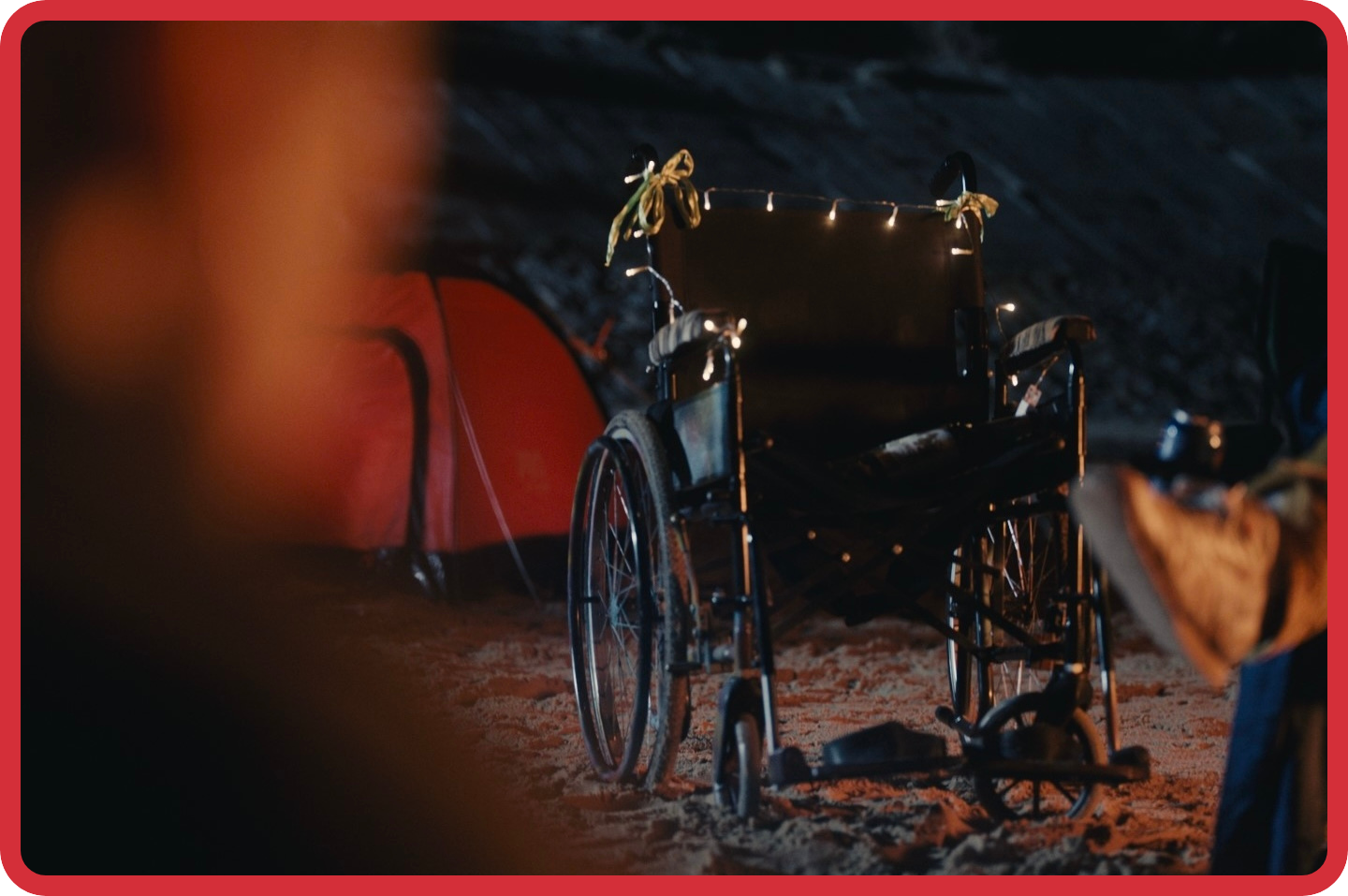
Better is a film is about the tension between two sisters, one of whom has a chronic illness. We tell the story from the point of view of the non-disabled sister so as to more effectively make the point that disabled people don’t need to be “fixed” or get “better”. As producer and associate writer, I was conscious that every small decision would be meaningful: from the production design of the disabled character’s wheelchair to the colour of the pills she takes.
We are regularly asked why the film centres the non-disabled sister. And some questions get more personal. I am asked (usually by other disabled people): ‘What condition do you have? What about your director? And the lead actress? Is she disabled? Or is she ‘cripping up’?’ The questions come from inside my community, yet the experience reminds me of when I was interrogated by the Department for Work and Pensions about my application for disability benefits.
I agree that art has a social responsibility. But I’m not sure what grilling disabled artists achieves for disability justice, and I worry that characters summoned from checklists by activists will only ever exist in two-dimension. Besides, if we only write narratives that ‘further the disabled cause’, don’t we risk leaving other narratives behind?
If we only write about disabled people who are sassy, empowered or politically engaged, what happens to the disabled people who are meek, self-pitying or arseholes?
Under the spotlight, without support
I feel sensitive to judgment from inside my community, and I’m also dealing with a systemic lack of support from the people with the power. I’m sandwiched between online activists and inaccessible institutions.
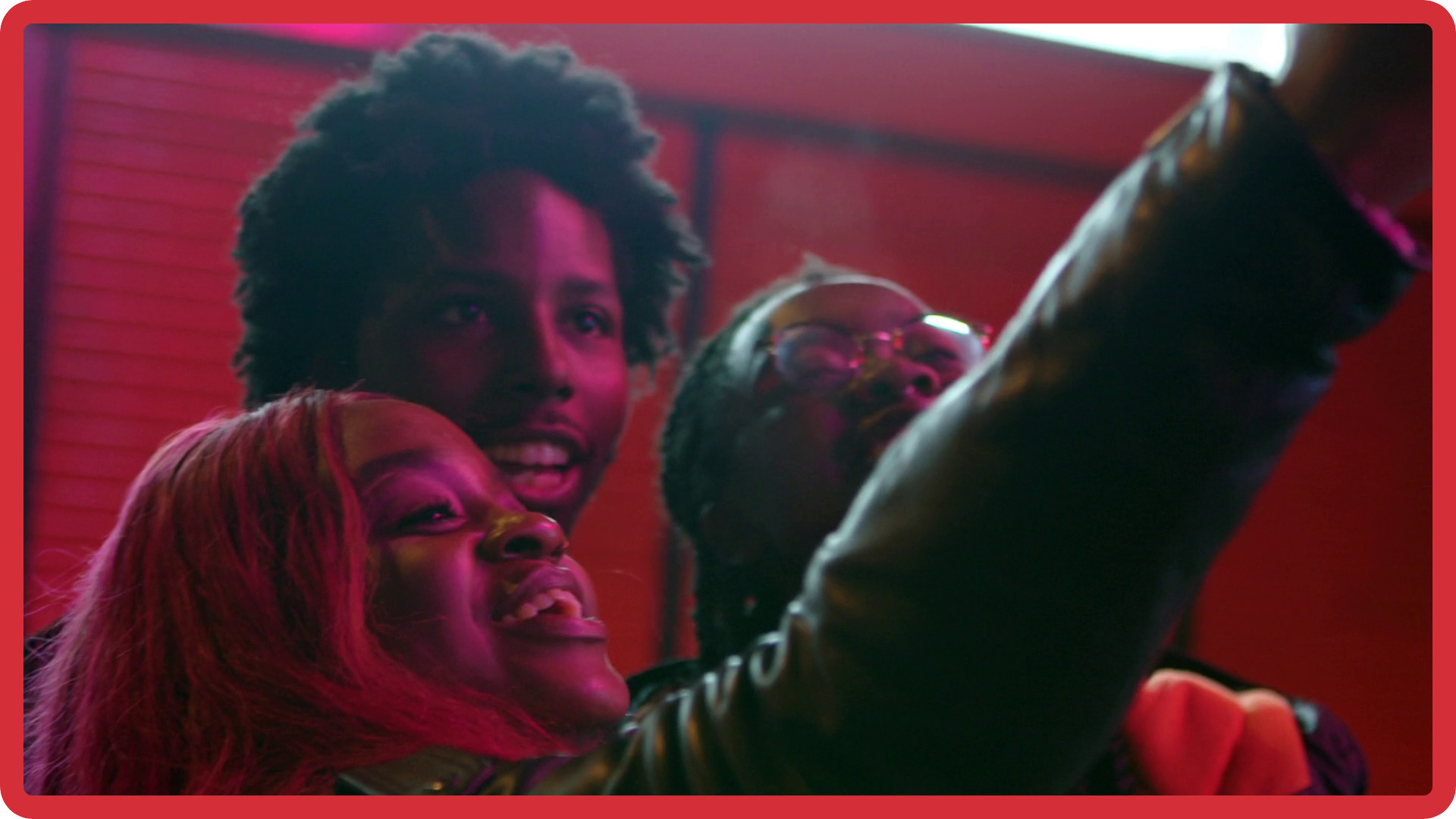
In 2019, my film ill, actually was commissioned by a film fund run by the BBC, BFI and an indie production company. The film was one of 11 projects selected from 450 applications. Our execs thought the idea was interesting and original – they too wanted to watch a film about young disabled people and online culture. We got the greenlight. We were thrilled.
With only eight weeks from commission to delivery, I knew it would be intense. But since we were making a film about disability, I assumed that at some point someone would check in with me about my access needs. My execs’ approach to access was, at best, reactive. An accommodation was only made when, after working myself to exhaustion, I sent them a distressed, dramatic email from the waiting room of accident and emergency.
Organisations and institutions want to make disability media (or, if we’re feeling cynical, to be seen to be making disability media). But they’re still so often unequipped or unwilling to create a working culture which is accessible for disabled artists.
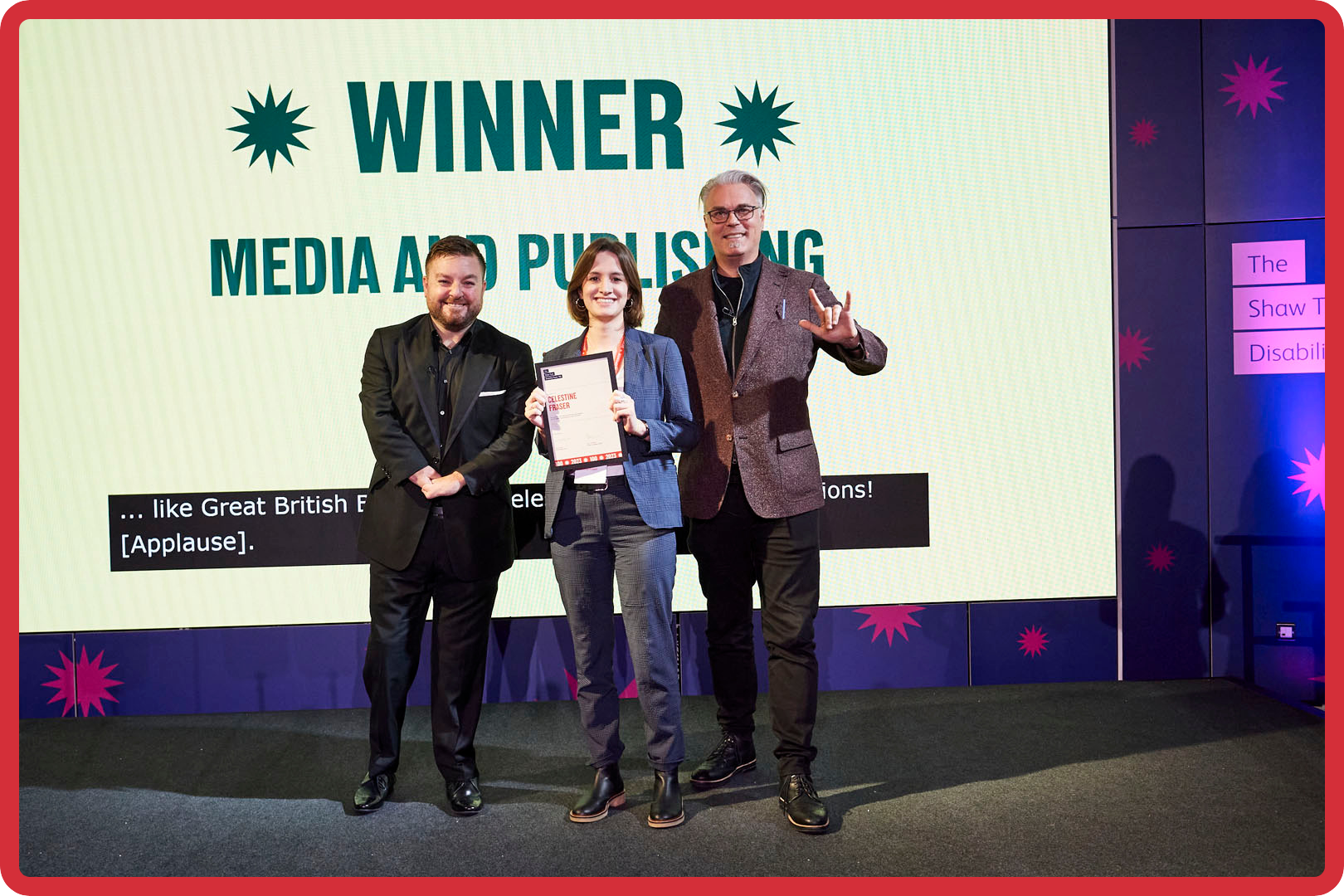
At the end of 2023, I won the Shaw Trust’s Disability Power 100 award for the UK’s ‘most influential disabled person in media and publishing.’ I was honoured by this recognition of my hard work, and grateful for the visibility. But as I published a celebratory Linkedin post, I couldn’t help but squirm. The glamorous pictures of me on stage accepting an award were in dramatic contrast with my everyday life as a disabled freelancer.
“Like I didn’t have a choice”
Like many disabled creatives, one of the reasons I freelance is because it’s more accessible for me. My working days are productive but short, wedged between physio sessions, resting, doctor’s appointments and medical admin. It’s often really hard. I don’t get sick pay or holiday. Projects come in at the last minute and require a short turnaround. When I get a new client, my access needs are frequently ignored. People take ages to pay me, and I don’t get paid enough.
At the same time, I love my work – I really do. I love writing articles, interviewing interesting people, making films with brilliant collaborators and working with clients who are passionate about what they do. I find disability endlessly interesting.
But occasionally I wonder if I could have been a writer or filmmaker, if I didn’t make stuff about disability? Would I have been given those (minimal) access provisions, if I’d I wanted to make films about something else? Or would I have got stuck at the star jumps?
In Reid Davenport’s poetic and personal documentary I Didn’t See You There, Reid asks his mother what she thinks of the fact that he’s a filmmaker. ‘You’re artistic,’ she says, ‘And it’s the expression of your art.’ But we sense this is not the whole story.
‘Did you see how I became politicised over the last ten years?’, says Reid. ‘Sometimes I feel like I didn’t have a choice. Like, I couldn’t get a 9 to 5.’
A disabled gaze
Despite my frustrations, I’m hopeful for the future of disability media. Over the last few years, disabled artists have been making new and exciting work which explores many of the same questions I’m asking.
My friend Emily Simmons set up Crip Cinema Archive, an archive that seeks to document disability on screen. The archive’s definition of crip cinema is open and inclusive – it doesn’t point fingers or gatekeep. It acknowledges that great art is born out of different conditions, and resonates for different reasons. Crip cinema might be defined only as a shared sensibility or perspective – a disabled gaze.
Recent documentaries find fertile ground in exploring point of view. In I Didn’t See You There, Reid shows us Oakland from the vantage point of his wheelchair: his camera shaking as he navigates the changing textures of the tarmac. In her acclaimed feature documentary Is There Anybody Out There? Ella Glendining searches to find someone else with the same rare disability as herself. In unseen by Set Hernandez, we follow a blind, undocumented immigrant in the United States through an out-of-focus lens.
None of these films tries to reverse every harmful historical trope. They simply show us what their protagonists see (or don’t see) from where they’re standing (or sitting). They’re personal and they move us.
Art isn’t a replacement for activism
I’ve yet to find a way of working that doesn’t make me ill. But for all my fatigue, somehow I keep making things. Because I want to, have to and I don’t know how to stop.
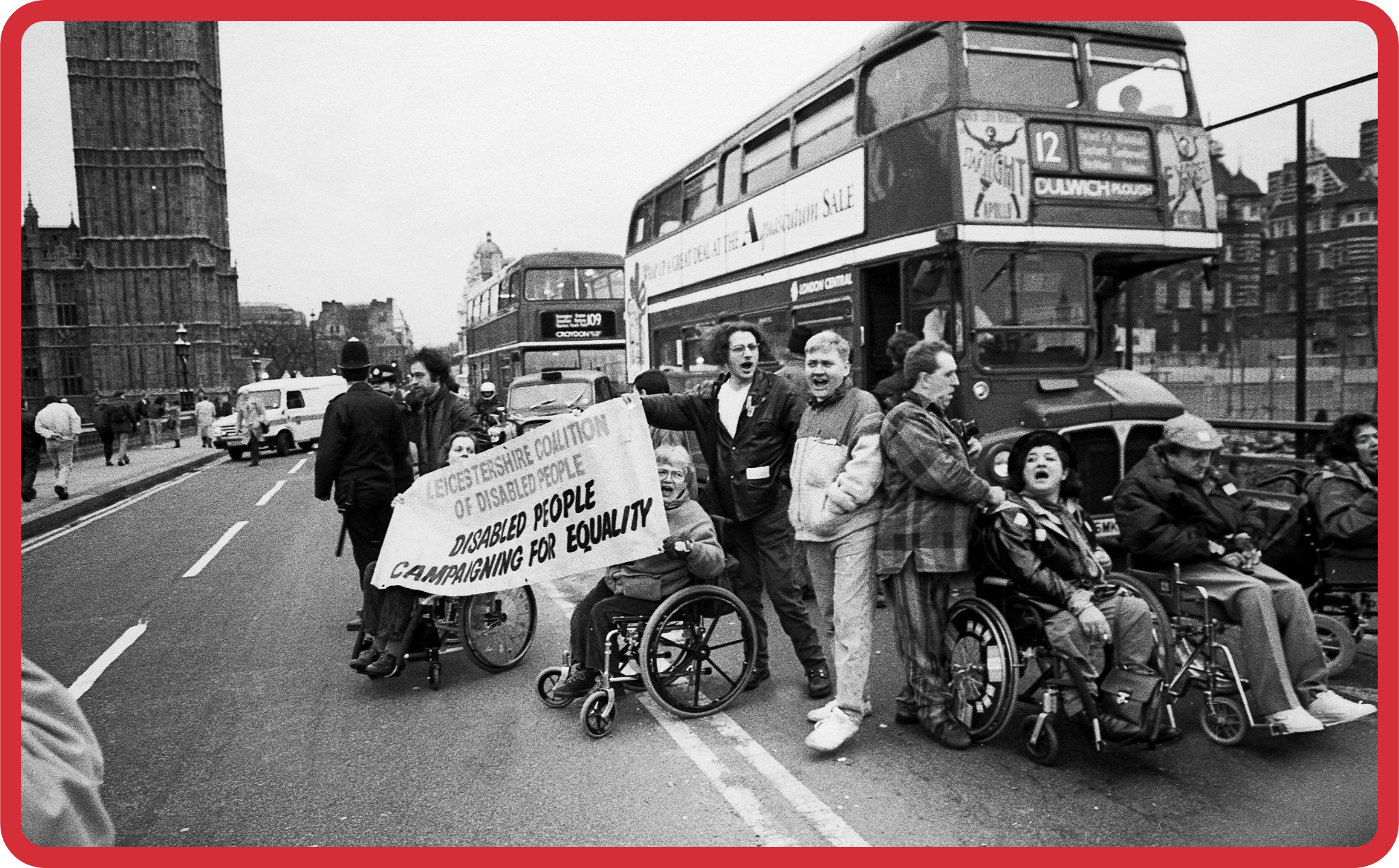
Art won’t wash away all that’s wrong in the world. We still need policies, rallies and picket lines. We need campaigners who chain themselves to buses and activists who evacuate disabled people from warzones. Art isn’t a replacement for activism.
But when we’re moved by a work of art, we feel it in our bodies. We stand transfixed in front of a painting, turn the last page, or leave the cinema into daylight – and something inside us has shifted.
If we stop expecting the art we make to end ableism, we can sit back and enjoy it, washing over us.
Celestine
Want to watch my films?
You can watch ill, actually (2019) here if you’re in the UK, or here if you’re anywhere else in the world.
You can watch BETTER (2023) here, from anywhere in the world.
I’d love to know what you think!
Thank you…
Thanks again to Peter Torres Fremlin for commissioning, editing and publishing this essay in Disability Debrief in May 2024, under the title “A new wave of disability media.”
Thank you to Theodore Fraser for essential editing of this updated version.
Hello Celestine, I enjoyed reading your post. I was confronted with this pressure as soon as I voiced an opinion. Activism can be inextricable: the goals are so massive, and the resources are thin. I have been ill since age 8 (juvenile arthritis) and have systematically negated my l’imitas, in order to appear normal, although my deformed hands, and uneasy walk proved otherwise. I fell in the trap of always saying yes to any need, not concentrating on my art.
Then there is the question of the content of my art. Should a disabled artist restrict themselves to the realm of their disability? NO! They do what they damn please! I have plaintes nice little flowers, cute portraits. I have also posed nude for a Life model class, written erotic stories involving a man in a wheelchair. I feel the mere fact of being seen is a statement, sometimes stronger than any program ( that few people read, except the already converted).
I really enjoyed « ill, actually » and « better »